


What Is Deadstock Yarn?
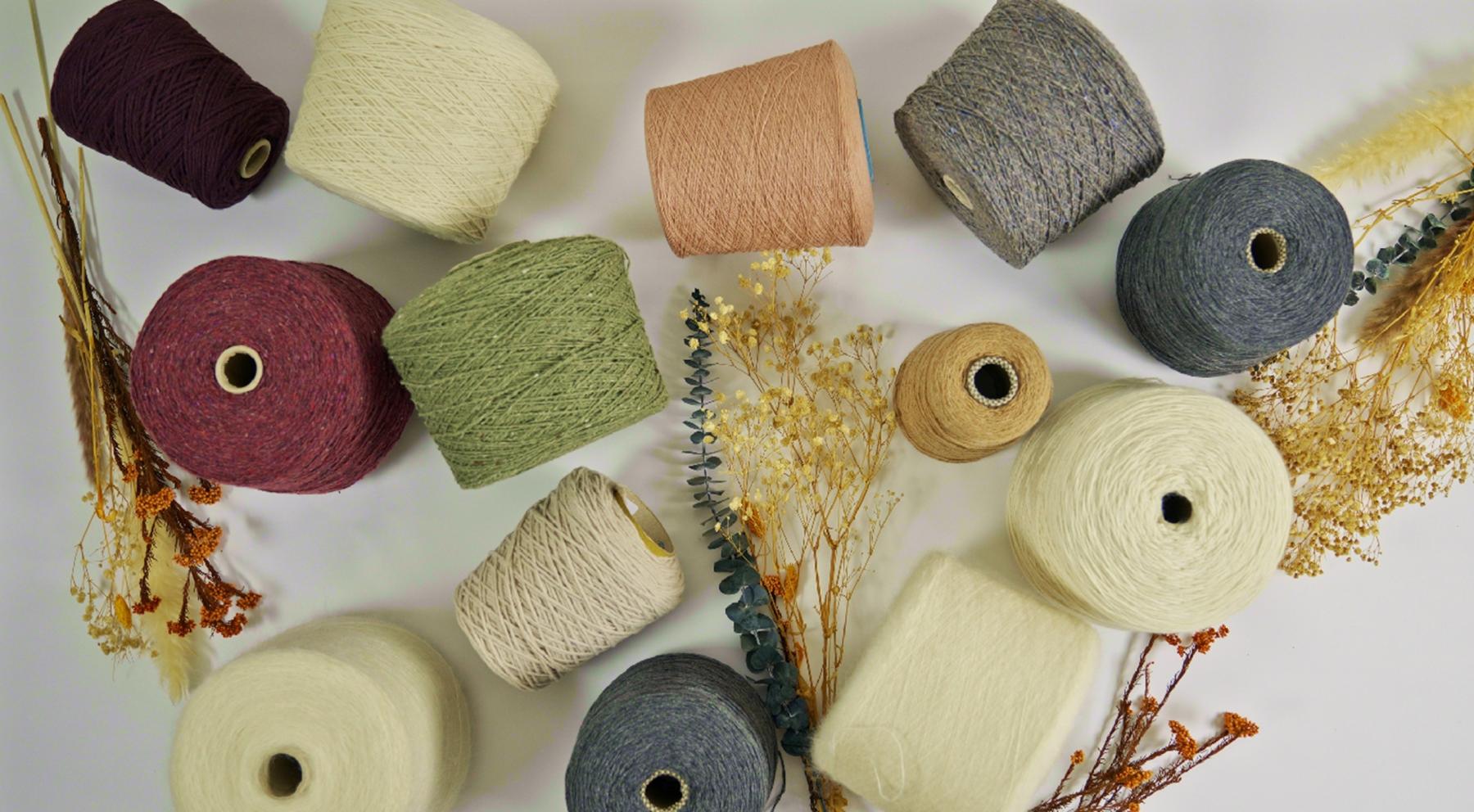
Deadstock yarn is new, unused yarn left after a mill, fashion-house or manufacturing production run. It can include surplus quantities, discontinued colours, cancelled-order material and lots that are simply too small for industrial production. For knitters, crocheters and weavers, these finite lots can provide access to unusual colours and luxury fibres that are difficult to find in conventional retail yarn ranges.
At Pure Light Fiber, we focus on limited deadstock yarn from Italian spinning mills, including cashmere, merino wool, silk, mohair, linen and luxury blends. This guide explains what deadstock yarn is, what it is not, and what to check before choosing it for a project.
What does “deadstock yarn” mean?
Deadstock yarn has already been manufactured but is no longer required for its original commercial purpose. The yarn itself is normally unused. It may remain because a colour was discontinued, a production order changed, a mill produced more than was needed or a fashion manufacturer no longer requires the full lot.
- Surplus production from a spinning mill
- Unused yarn remaining after a fashion or textile production run
- Discontinued colours or compositions
- Cancelled or reduced commercial orders
- Small industrial lots that are no longer practical for large-scale manufacturing
“Deadstock” describes the yarn’s commercial status, not its condition. It should not automatically be interpreted as damaged, second-hand or recycled.
In this video, I explain what deadstock yarn is, where it comes from, why it is unused rather than second-hand, and what knitters should know before choosing it.
Deadstock yarn versus mill ends, recycled yarn and second-hand yarn
These terms are sometimes used interchangeably, but they describe different materials:
- Deadstock yarn: new, unused yarn that is surplus to its original production purpose.
- Mill ends: remnants or incomplete quantities left at the end of a manufacturing run. Some mill ends are deadstock, but the term can also include irregular or short lots.
- Recycled yarn: yarn produced using fibres recovered and reprocessed from pre-consumer or post-consumer material.
- Second-hand or destash yarn: yarn previously owned by another consumer, whether used or unused.
Deadstock keeps an existing, usable material in circulation without first breaking it down and remanufacturing it. Recycled yarn follows a different and equally distinct route: fibre is recovered and processed into a new yarn.
Why luxury deadstock yarn can be exceptional
Industrial spinning mills produce yarn for demanding knitwear and textile applications. A deadstock lot may therefore contain fine fibres, technically precise yarn counts or unusual blends developed for professional production. Examples include pure cashmere, cashmere and silk, fine merino wool, kid mohair and silk, linen blends and other specialist compositions.
That does not mean every deadstock yarn is automatically superior. Quality, condition and suitability still need to be assessed lot by lot. Fibre content, yarn construction, storage, spinning oil, colour consistency and available quantity all matter.
Why is deadstock yarn often sold on cones?
Much deadstock yarn was made for industrial knitting, weaving or garment production, where cones are more practical than retail balls. A cone can hold a long continuous length of yarn and feed efficiently into a machine. Hand knitters can also work directly from a cone.
Industrial yarn is often much finer than familiar hand-knitting yarn. You can use a fine yarn alone for a light fabric or hold two or more strands together to create a heavier fabric. Always make a generous swatch before committing to a garment.
What to check before buying deadstock yarn
1. Fibre composition
Check the complete fibre content rather than choosing by softness alone. Silk, linen, mohair, wool and cashmere behave differently in elasticity, drape, warmth and care.
2. Metres per 100g and yarn count
Metres per 100g give a useful basis for comparing yarns. Industrial labels may also use metric yarn counts such as Nm or formats such as 2/28. Use these figures as a starting point, then confirm the fabric through swatching.
3. Spinning oils and washing
Some cone yarn contains spinning oil that helps it move through industrial machinery. The yarn may feel firmer on the cone and change noticeably after washing. Knit the swatch first, then wash and dry it using the care method you intend for the finished project. Judge softness, halo, drape, gauge and colour only after the swatch has dried.
4. Total project quantity
Deadstock is finite. Once a lot sells out, an identical colour and dye lot may never return. Calculate the total meterage required, include a sensible margin for swatching and finishing, and buy enough at the beginning.
5. Colour and screen differences
Photographs help describe a colour, but displays and lighting vary. Read the written colour description and, when matching to another material is critical, allow for small differences between the screen and the physical yarn.
Is deadstock yarn a more responsible choice?
The resources needed to manufacture deadstock yarn have already been used. Choosing an existing surplus lot gives that material a productive future and can reduce the risk of usable yarn remaining indefinitely in storage or becoming waste. It does not make a project impact-free, but it is a practical way to keep high-quality material in use.
Can deadstock cone yarn be used for hand knitting?
Yes. Hand knitters can knit directly from the cone, wind off smaller quantities or combine several strands. The important step is to work from the yarn’s measured length and your washed swatch rather than relying only on a familiar label such as lace, fingering or DK.
Our guide to working with deadstock cone yarn explains swatching, washing, holding strands together and planning meterage in more detail.
Where can I buy deadstock yarn?
Pure Light Fiber offers limited deadstock yarn from Italian mills for hand knitting, machine knitting, crochet and weaving. The live collection changes as individual lots sell out. Prices can be viewed in CHF, USD or EUR, and orders can be delivered to the United States, United Kingdom, Canada, Europe and other international destinations.