


The Best Yarns for Autumn and Winter Knitting: Cashmere, Merino, Mohair & Luxury Blends
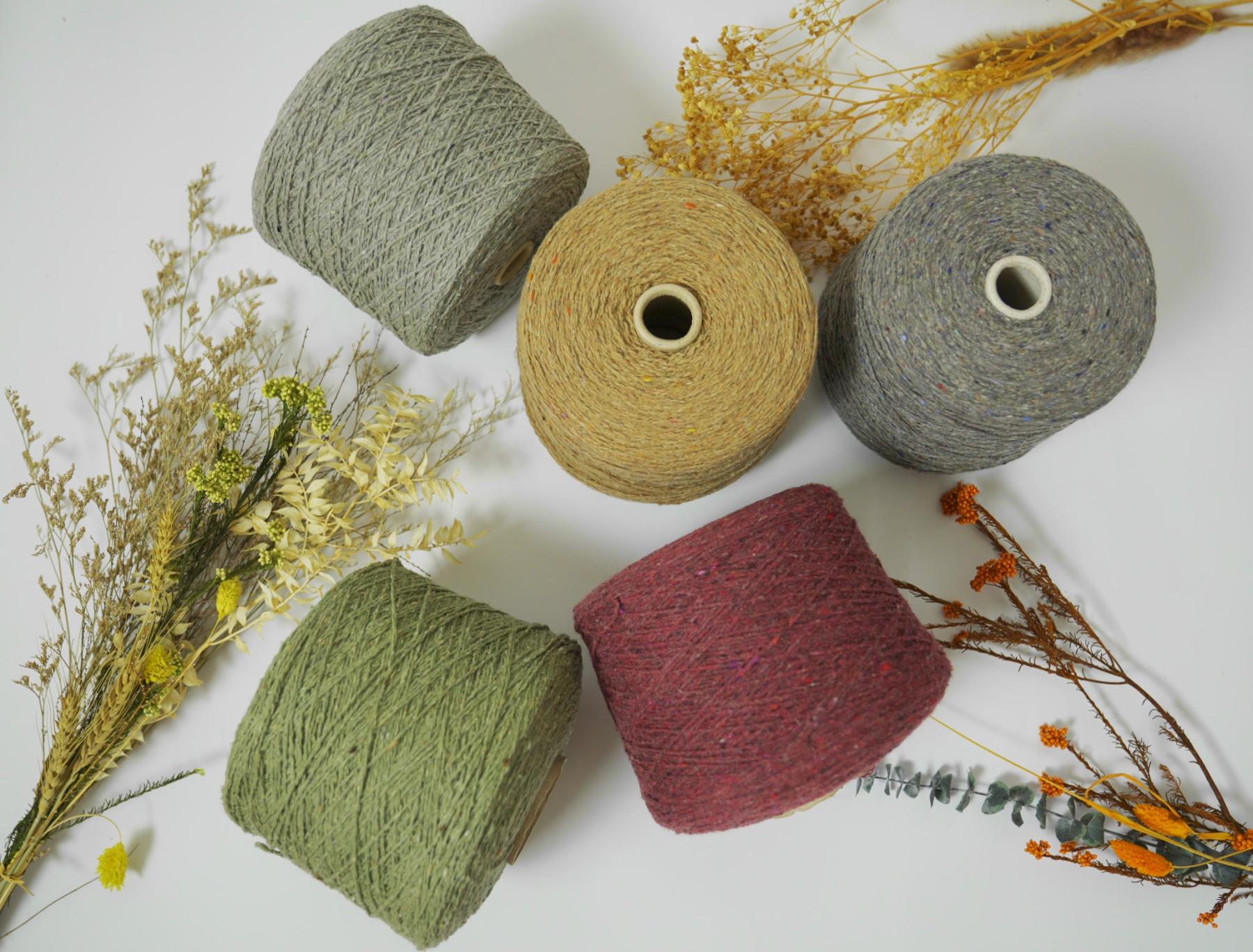
As the days become cooler, knitting naturally turns toward garments that feel warm, comfortable and inviting. But the best yarn for autumn or winter is not always the thickest one. Fibre, construction and fabric density all influence warmth, weight, breathability and how enjoyable a finished piece is to wear.
Luxury deadstock cone yarn offers especially interesting possibilities for cold-weather knitting. Fine cashmere, merino wool, mohair, silk and carefully balanced blends can be worked alone, held in multiple strands or combined to create a fabric suited to a particular season and project.
This guide compares the most useful fibres for autumn and winter knitting and explains how to choose between them for sweaters, cardigans, scarves and other cold-weather pieces.
What makes a yarn suitable for cold weather?
A good autumn or winter yarn needs more than softness. Consider the kind of warmth, structure and wear you want from the finished fabric.
- Warmth: Fibres that trap still air can insulate without requiring a very heavy fabric.
- Weight: A thick yarn is not automatically warmer, and a heavy garment may stretch or become tiring to wear.
- Elasticity: Sweaters, cuffs and ribbing benefit from fibres that recover after stretching.
- Breathability: Natural fibres can help a garment remain comfortable when moving between cold outdoor air and heated rooms.
- Surface: Smooth yarn highlights cables and texture, while brushed or lofty yarn creates softness and halo.
- Drape: A fluid cardigan needs different yarn qualities from a structured jacket or fitted pullover.
Begin with the garment you want to make, then choose the fibre and yarn construction that will create the right fabric.
Cashmere: lightweight warmth and exceptional softness
Cashmere yarn is an outstanding choice when you want warmth with very little bulk. Its fine fibres create a soft, insulating fabric that can feel remarkably light compared with a heavier wool garment.
Cashmere is particularly well suited to scarves, cowls, hats and next-to-skin sweaters. Fine cashmere cone yarn can be used alone for a delicate transitional layer or held in several strands for a fuller winter fabric. It also combines beautifully with silk for drape or with wool for additional resilience.
For a practical comparison, this video compares cashmere on cones with conventional balls and looks at price, meterage and project value.
The yarn may look compact or feel slightly firm on the cone, particularly when spinning oil is present. A washed swatch reveals its true softness and bloom. For this reason, do not choose the final needle size by looking at the cone alone.
Merino wool: versatile, elastic and dependable
Merino wool is one of the most versatile fibres for autumn and winter knitting. It provides warmth, natural elasticity and good recovery, making it a reliable choice for sweaters, cardigans, hats, mittens and garments with ribbing.
A smooth merino yarn can give cables and textured stitches clear definition. A woollen-spun or softly constructed merino may feel lighter and loftier, with a less sharply defined surface. Fine merino can also produce excellent indoor layers: warm enough for cool weather without the bulk of a heavy outdoor sweater.
For garments that need to hold their shape, merino is often an easier starting point than a fibre with very fluid drape. It can also act as the structural strand in a combination—for example, merino held with a fine mohair yarn.
Mohair: airy insulation and a luminous halo
Mohair yarn creates warmth without a dense or weighty fabric. Its halo traps air and fills the spaces between stitches, allowing an open fabric to feel surprisingly insulating.
Fine mohair, especially mohair blended with silk, can be knitted alone for an ethereal sweater or carried alongside merino, cashmere or another base yarn. A tonal pairing deepens the colour and softens the surface. A contrasting strand can transform a solid yarn into a nuanced, softly blended shade.
Mohair can obscure very small stitch details, so it is often best for simple silhouettes, open textures and designs where atmosphere matters more than sharply defined cables. People who are sensitive to haloed fibres should test a washed swatch against the neck or wrist before committing to a garment.
Silk: strength, lustre and elegant drape
Silk is often associated with summer, but it can play an important role in autumn and winter blends. It adds strength, subtle lustre and fluidity, and it can help a fine luxury yarn produce an elegant, refined fabric.
Cashmere and silk is a beautiful combination for lightweight sweaters, scarves and polished layering pieces. Mohair and silk combines airy warmth with strength and glow. Silk has less elastic recovery than wool, however, and a silk-rich garment may relax under its own weight. Knit a generous swatch and let it hang after washing when evaluating a garment yarn.
Luxury blends: balancing the best qualities of each fibre
Blended yarns are not simply compromises. A thoughtful blend can balance characteristics that no single fibre provides on its own.
- Cashmere and silk: soft, light and fluid, with a quiet sheen.
- Merino and cashmere: elastic and practical, with additional warmth and softness.
- Mohair and silk: airy, luminous and warm with very little weight.
- Wool and silk: resilient enough for garments, with improved drape and lustre.
- Merino carried with mohair: structure from the wool and halo from the mohair.
When working with deadstock yarn, unusual blends are part of the pleasure. Read the complete fibre composition and think about how each component will affect the finished fabric rather than judging the yarn by softness alone.
Choosing yarn for autumn projects
Autumn garments often need to work across changing temperatures. Lightweight cashmere, fine merino, wool-silk blends and single-strand mohair can create useful layers without becoming too warm indoors.
Good autumn projects include:
- Light cardigans and pullovers
- Fine scarves and shawls
- Vests and sleeveless layers
- Textured accessories in wool or wool blends
- Open-gauge mohair sweaters
Earthy olive, ochre, burgundy, charcoal and warm neutral shades naturally suit the season, but fibre surface matters just as much as colour. Tweed flecks, heathered shades and softly marled combinations create depth even in a simple stockinette fabric.
Choosing yarn for winter projects
For winter, focus on insulation and the intended use of the garment. A cashmere sweater can be warm yet light enough for indoors, while merino provides the recovery needed for a frequently worn cardigan. Mohair can add warmth without turning either garment into a heavy knit.
For outdoor accessories, choose a fabric with enough density to reduce wind penetration. Hats and cuffs also benefit from elasticity. For oversized sweaters, watch the total garment weight: adding more strands may create thickness, but it also increases the amount of fibre the garment must support.
Fine cone yarn does not limit you to fine-gauge knitting
Many industrial cone yarns are finer than familiar hand-knitting yarns. That does not mean they can only be used on tiny needles. Several strands can be held together to build a custom working weight, or different fibres can be combined for a particular effect.
Our guide to holding fine cone yarns together explains how to calculate the approximate combined metres per 100g. If you are adapting an existing design, see how to substitute cone yarn in a knitting pattern.
Always judge the washed fabric
A washed swatch is essential for autumn and winter yarns. Cashmere may bloom, mohair can fill an open fabric, merino may relax and recover, and spinning oil can conceal the final softness of cone yarn.
If the industrial information on a cone is unfamiliar, this video gives a visual explanation of Nm counts, fibre abbreviations and spinning oils.
- Knit a generous swatch using the planned strand count and needle size.
- Record the yarns, proportions and needles before washing.
- Wash according to the most delicate fibre in the blend.
- Dry the swatch completely without stretching it into shape.
- Measure the gauge again and assess warmth, drape, softness and recovery.
- For sweaters and cardigans, hang the swatch briefly to check whether gravity changes its dimensions.
If you are new to industrial yarn, our complete guide to working with deadstock cone yarn explains labels, Nm counts, spinning oils and washing in more detail.
How much yarn should you buy?
Use the total meterage in your pattern rather than the number of balls. When holding strands together, each working strand must supply approximately the full length required by the project. Add an allowance for swatching, finishing and small gauge differences.
This matters particularly with deadstock yarn because each lot is finite. A colour or composition may not be available again once it sells out. Calculate the complete project before ordering and, when possible, buy enough from the same lot.
Frequently asked questions
What is the warmest yarn for winter knitting?
Warmth depends on the complete fabric, not only the fibre name. Cashmere and mohair can provide excellent insulation at a low weight, while wool creates resilient, dependable garments. Fabric density, strand count and fit also affect warmth.
Is cashmere warmer than merino?
Cashmere can feel exceptionally warm for its weight, while merino usually offers more elasticity and structure. The better choice depends on whether you prioritise lightweight softness or durable recovery.
Can mohair be used without another yarn?
Yes. Fine mohair can create an airy, translucent fabric when knitted alone. It can also be carried with another yarn to add warmth, halo and colour depth.
Which yarn is best for an autumn cardigan?
Fine merino or a merino blend is a versatile choice because it balances warmth, breathability and recovery. Cashmere-merino and wool-silk blends can add softness or drape while remaining practical for layering.
Create the fabric your season needs
The best autumn or winter yarn is the one that creates the right balance of warmth, weight, texture and structure for your project. Cashmere offers luxurious insulation, merino brings elasticity, mohair adds an airy halo and silk contributes strength and drape.
Explore Pure Light Fiber’s changing collection of luxury deadstock cone yarn from Italian mills, and let a carefully washed swatch guide your final choice.